A Year in a Walled Garden
Discover the rhythm of a traditional British walled garden through the seasons. A practical and poetic guide to working with nature, soil, and heritage gardening principles all year round.
GROW
Nat
4 min read
The Garden That Holds Time
There’s something about a walled garden that feels different the moment you step inside. It’s quieter. Slower. Held.
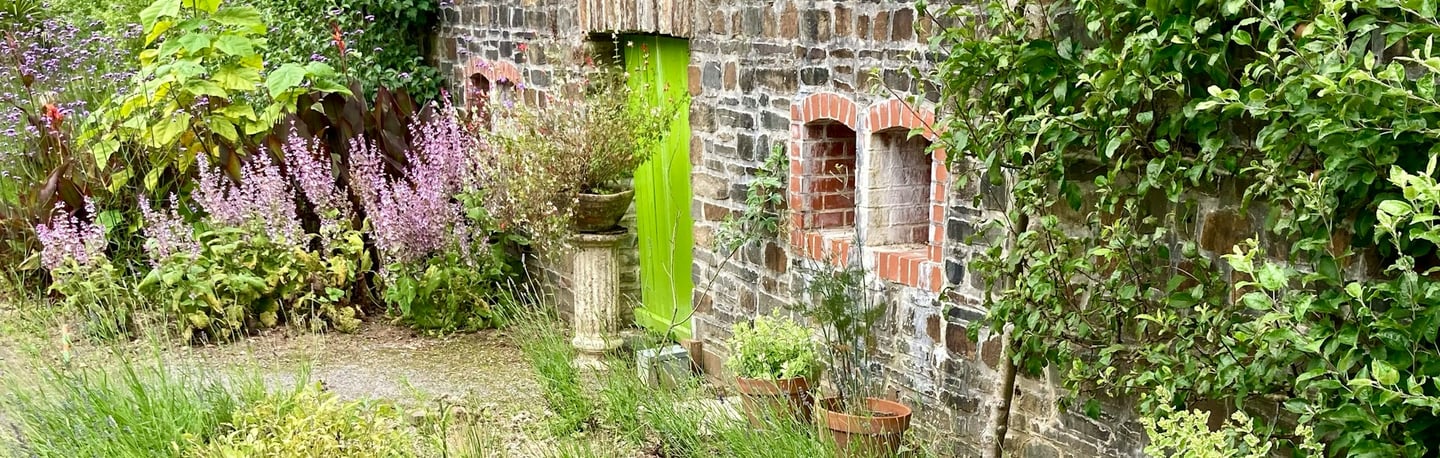
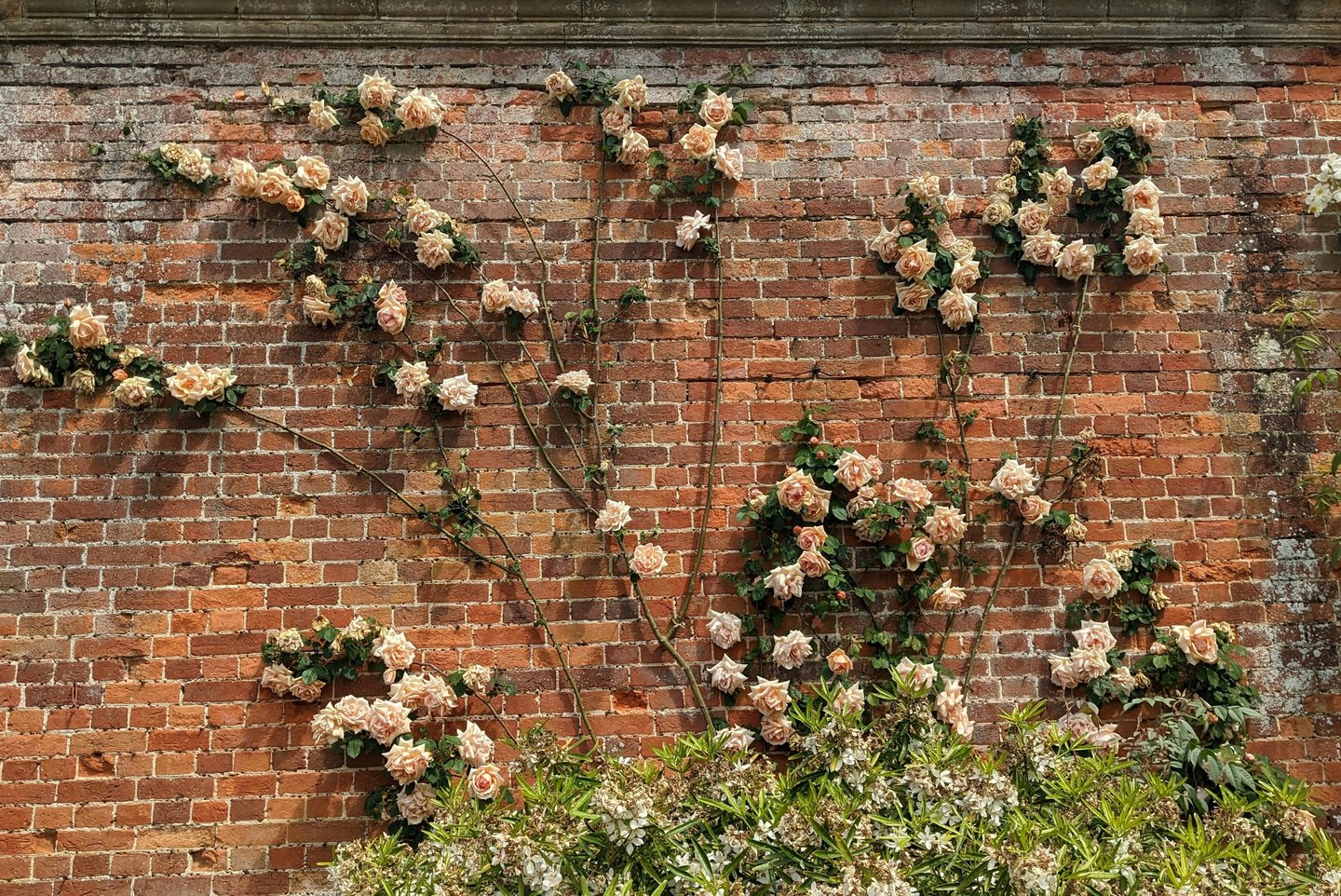
Historically, these gardens were places of productivity — designed to feed households, maximise microclimates, and extend the growing season. High brick walls captured heat, sheltered delicate crops, and created a carefully controlled environment long before polytunnels and plastic ruled the scene.
But today, a walled garden offers something more. It invites us to garden with intention, to pause and ask not just what can we grow here?
…but what should we grow, and why?
This is a year in a walled garden — not as a checklist, but as a rhythm.
Spring: Awakening Without Rushing
Spring in a walled garden doesn’t explode — it unfolds.
Snowdrops give way to hellebores, then to the quiet hum of bulbs pushing through soil that is just beginning to warm. The walls hold onto the last of winter’s chill in the shade, while sunny borders start to wake earlier than the world beyond.
This is the season of restraint. It’s tempting to rush in — to sow everything, tidy everything, fix everything. But the best gardens aren’t forced into life; they’re coaxed.
What’s really happening:
Soil biology is reactivating
Moisture is still high — structure matters more than disturbance
Early crops establish slowly but steadily
Summer: Abundance and Balance
Summer is where the walled garden shows off; the microclimate created by the walls comes into its own — warmth builds, crops surge, and suddenly everything feels alive at once. Fruit ripens earlier. Vegetables grow faster. Flowers lean into the heat.
But abundance isn’t the same as success; without balance, a summer garden can quickly tip into overwhelm — pests, drought stress, and exhausted soil all lurking beneath the surface.
What’s really happening:
Rapid growth demands nutrients and water
Pollinators are at peak activity
Competition between plants increases
And most importantly? Pause long enough to actually enjoy it. A productive garden that you never sit in is missing the point entirely.
Autumn: Letting Go, Properly
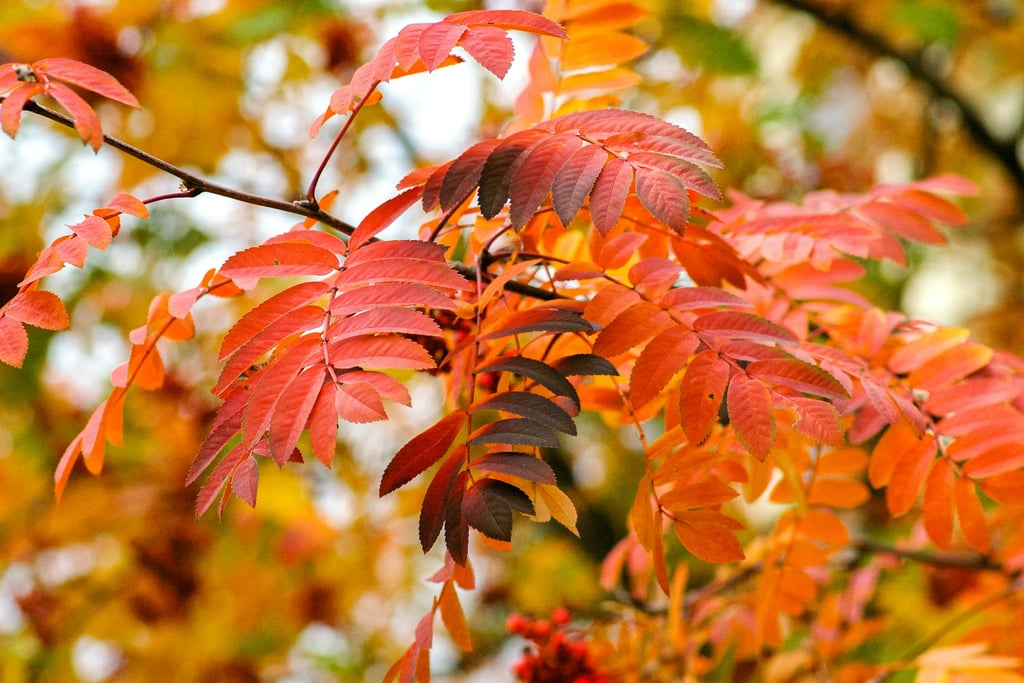
Autumn in a walled garden is one of the most misunderstood seasons; It’s often treated as the beginning of the end a tidy-up, a shutdown, a race to cut everything back before winter arrives. But in reality, autumn is a beginning, Seeds are set. Soil is replenished. Structure returns.
But one thing is really important to remember in Autumn....A slightly messy autumn garden is not neglect — it’s protection, protection for plants and protection for wildlife.
What’s really happening:
Soil is still warm — ideal for root growth
Organic matter begins to break down
Wildlife prepares for winter refuge
Winter: The Quiet Work
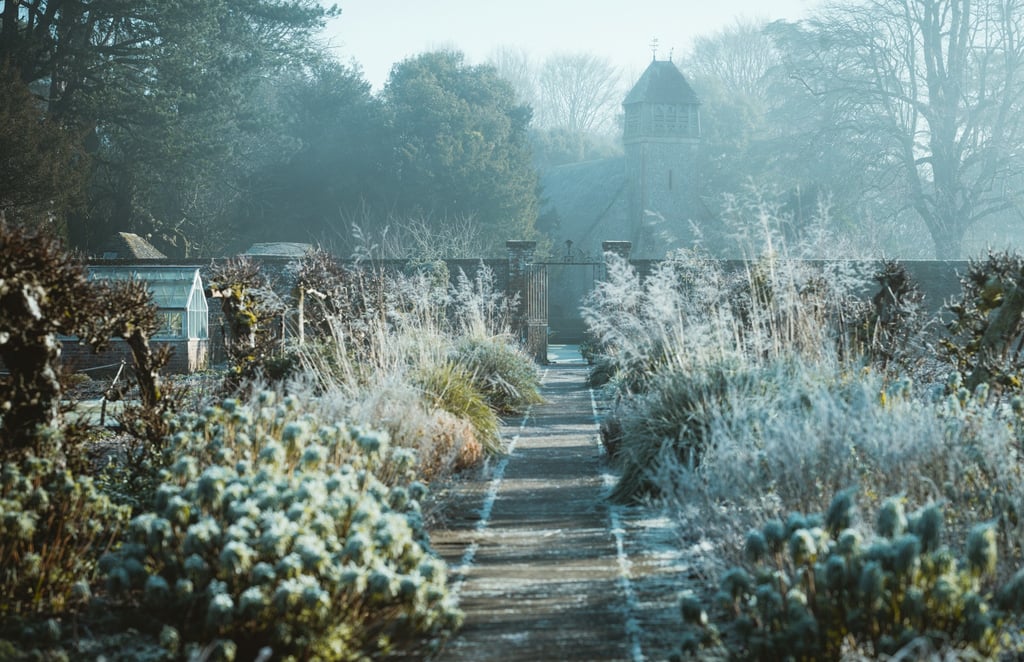
Winter strips the garden back to its bones, the structure of the walled garden becomes fully visible; the lines, the framework, the intention behind it all. Without the distraction of growth, you can finally see what’s working… and what isn’t. This is the season most people underestimate because while it looks like nothing is happening...everything is. But whilst much happens in the garden in Winter it's a time for stepping back, you don’t need to fill every moment with doing.
What’s really happening:
Soil life continues below ground
Frost breaks down clods and improves structure
Trees and plants enter essential dormancy
The Bigger Picture: Gardening with Purpose
A walled garden teaches you something that modern gardening often forgets, It’s not about constant productivity, it’s not about control.
And it’s certainly not about perfection. It’s about relationship, with the soil, with the seasons, with the quiet, ongoing work of tending something that doesn’t belong entirely to you.
At The Heritage Hoes, we believe gardening should feel like a collaboration — not a battle. A balance between history and instinct. Between structure and wildness.
Because the most beautiful gardens aren’t the ones that are perfectly maintained…they’re the ones that are deeply understood.
If you’ve enjoyed this gentle walk through the seasons, you might like Hoe Notes — my seasonal garden letters filled with practical tips, honest reflections, and a little bit of joyful rebellion.
Sign up here and grow alongside the seasons
Heritage Hoe Thought:
Work the soil only when it’s ready — not when you are. Spring rewards patience more than effort.
Jobs with purpose for Spring:
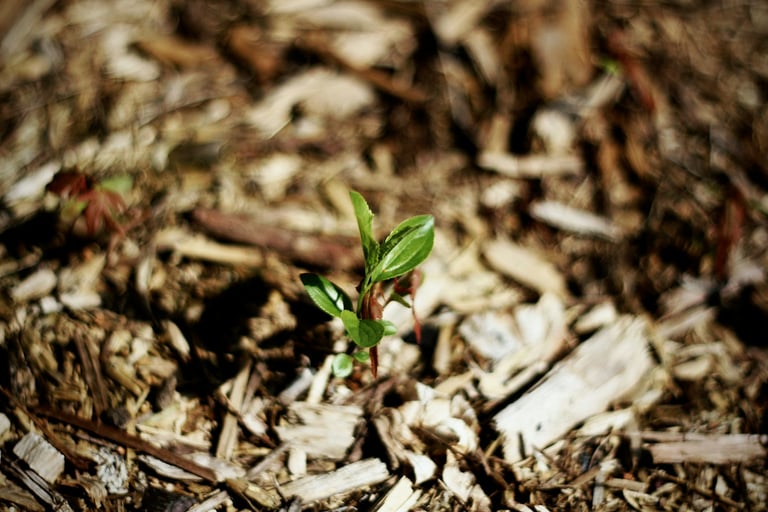
Light mulching to protect and feed soil life
Sowing hardy crops (broad beans, peas, salads)
Dividing perennials where needed
Supporting emerging growth rather than cutting everything back
Jobs with purpose for Summer:
Regular harvesting to encourage productivity
Deep, infrequent watering to build drought tolerance
Supporting climbers and heavy crops
Observing pest patterns before reacting
Heritage Hoe Thought:
Don’t chase perfection — build resilience.
Jobs with purpose for Autumn:
Sowing green manures to protect and enrich soil
Planting garlic, onions, and overwintering crops
Leaving seed heads for wildlife and structure
Adding compost and organic matter
Heritage Hoe Thought:
Don’t clear the garden — complete it.
Jobs with purpose for Winter:
Pruning fruit trees and shrubs
Repairing structures, beds, and paths
Planning next year’s planting with intention
Protecting vulnerable crops from extreme weather